

EN
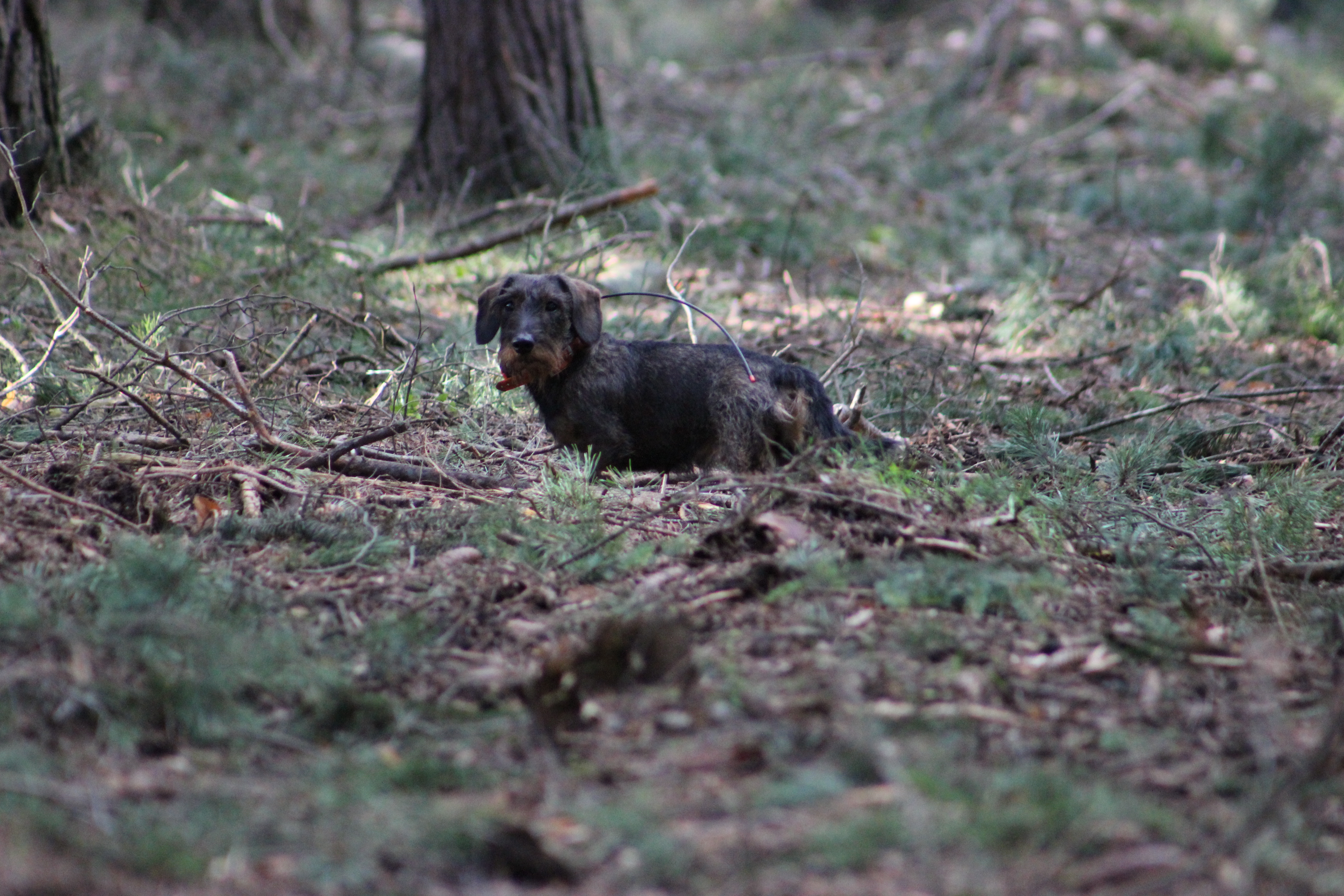
Recent research has provided intriguing insights into the magnetoreception abilities of domestic dogs, suggesting that these animals can sense the Earth's magnetic field. This study looked at how different dog breeds, particularly in relation to their working specialisations, exhibit magnetic alignment—a behaviour in which dogs align their bodies with the geomagnetic field during activities such as excretion. The research involved observing 4,986 dogs and classifying them into three distinct groups based on their working role: (1) non-hunting breeds that work closely with their owners, (2) hunting dogs that work in visual contact with their owners, and (3) hunting dogs that work independently and out of sight of their owners. The results revealed that dogs working independently were more likely to align themselves along the North-South magnetic axis than those working closely with their owners. Our findings suggest that selective pressures associated with working specialisation may influence magnetoreceptive abilities in dogs. This highlights the importance of considering factors such as working specialisation in future studies of canine magnetoreception, which could provide deeper insight into how dogs interact with their environment.
Read HERE.
CZ
Nedávný výzkum přinesl zajímavé poznatky o magnetorecepčních schopnostech domestikovaných psů, které naznačují, že tato zvířata mohou vnímat magnetické pole Země. Jedním z projevů magnetosenzitivity může být tzv. magnetický alignment, kdy se zvířata zarovnávají s ohledem na geomagnetické pole. Tato studie se zabývala magnetickým alignmentem u psů zejména v souvislosti s jejich pracovní specializací. Výzkum zahrnoval pozorování 4 986 psů a jejich rozdělení do tří odlišných skupin na základě jejich pracovní role: (1) nelovecká plemena, která pracují v těsném kontaktu se svými majiteli, (2) lovečtí psi, kteří pracují ve vizuálním kontaktu se svými majiteli, a (3) lovečtí psi, kteří pracují samostatně a mimo dohled svých majitelů. Výsledky ukázaly, že psi pracující samostatně se častěji orientovali podle severojižní magnetické osy než psi pracující v těsném kontaktu se svými majiteli. Naše zjištění naznačují, že selekční tlaky spojené s pracovní specializací mohou ovlivňovat magnetorecepční schopnosti psů. To poukazuje na důležitost zohlednění faktorů, jako je pracovní specializace, v budoucích studiích magnetorecepce psů, které by mohly poskytnout hlubší vhled do způsobu interakce psů s jejich prostředím.