

EN
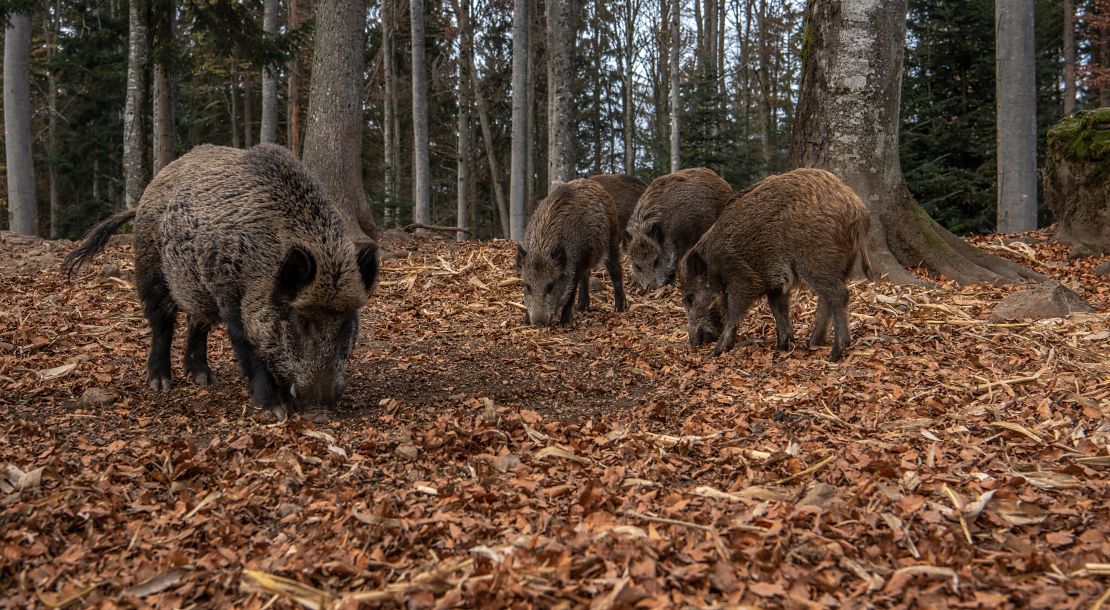
Human activity has a significant impact on wildlife behaviour. The COVID-19 pandemic brought about significant changes in human behaviour, which in turn have affected animal behaviour. A recent study examined the behavioural responses of wild boar due to the changing human presence in a suburban forest near Prague during the pandemic (April 2019 to November 2021). The study compared bio-logging and movement data of 69 GPS-collared wild boar with human visitation data based on an automatic counter installed in the field. The number of people in the forest did not affect the weekly distance travelled, home range size, or maximum displacement of wild boar. However, the boar spent 41% more energy and had irregular sleep rhythms, sleeping for shorter periods and more frequently when the number of people in the forest exceeded 2000. Although high human pressure may not significantly affect the movements of adaptable animals such as wild boar, it may significantly disrupt their life rhythms, negatively impacting their health and fitness.
Read HERE.
CZ
Aktivita lidí má silný vliv na chování volně žijících zvířat. Pandemie covidu-19 vedla k výraznějším změnám v chování lidí, a tudíž i zvířat. Výzkum se zaměřil na behaviorální reakce prasete divokého v důsledku měnící se přítomnosti lidí v příměstském lese nedaleko Prahy během pandemie (duben 2019-listopad 2021). Byly porovnány informace o pohybové aktivitě 69 prasat divokých, získané pomocí GPS obojků, s údaji o návštěvnosti lesa. Měnící se počet lidí v lese neměl vliv na vzdálenost uraženou prasaty za týden, ani na velikost jejich domovského okrsku a rozptýlení prasat po lese. Avšak prasata při zvýšeném počtu lidí v lese (> 2000) spotřebovala o 41 % více energie a měla nepravidelný spánkový rytmus, spala kratší dobu a častěji. I když vysoká návštěvnost lidí nemusí zásadně ovlivnit pohyb adaptabilních zvířat, jako je například prase divoké, může výrazně narušit jejich životní rytmy a negativně tak ovlivnit jejich zdravotní stav a kondici.